
When the PDX Co-op Collab launched in 2019, it began with a challenge many organic farms and food cooperatives were quietly asking themselves: How do small producers survive in a food system increasingly dominated by large retailers and shrinking margins?
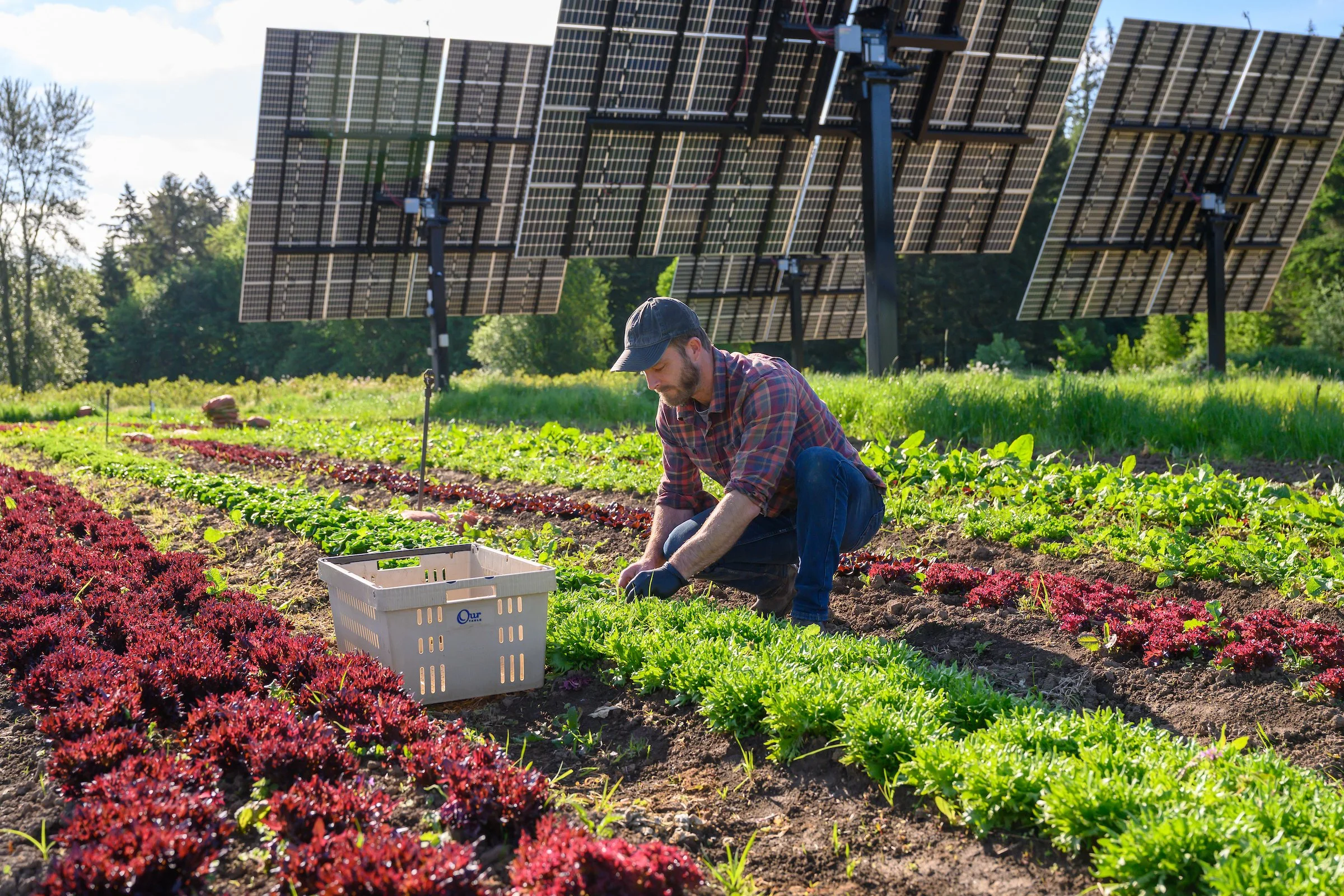
During a recent visit to Our Table Cooperative —where many of the Collab’ s products are grown and produced—we learned how the initiative emerged as a creative response to that question. At the time, regional food co-ops were feeling pressure from chains like Trader Joe ’ s and New Seasons. Organic products had become more common on grocery shelves, making it harder for cooperative grocers to stand apart solely basedon certification or values.
Meanwhile, small producers faced a difficult reality: scaling into larger wholesale systems often meant lower margins, less pricing control, and greater dependence on distribution networks that rarely prioritized local relationships.
The PDX Co-op Collab set out to build another option.
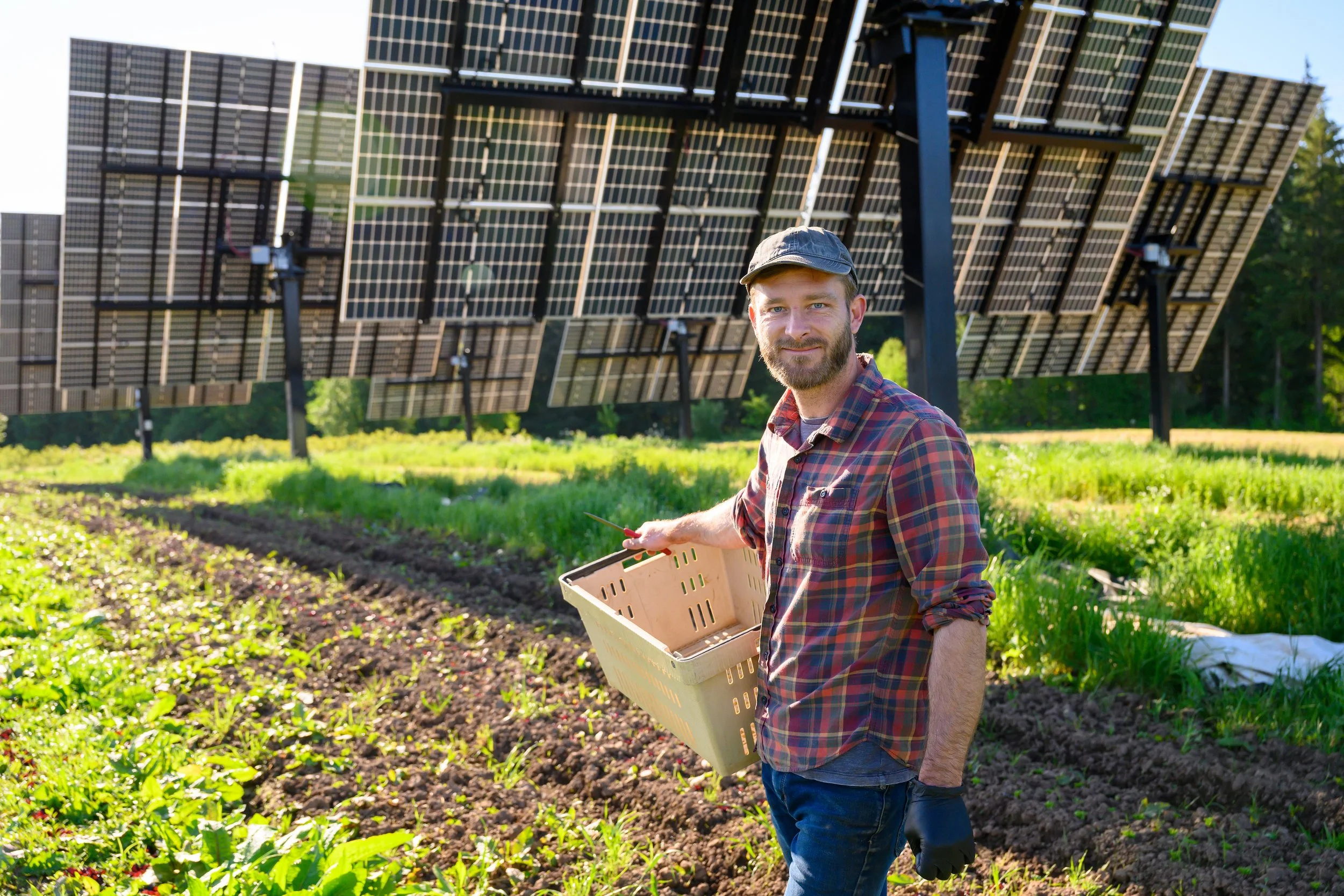
Rather than competing on scale, the Collab focuses on creating locally produced private label products available exclusively through participating co-ops. The idea is simple but powerful: strengthen both producers and retailers by keeping more value within cooperative food networks.
While the project began with blueberries from Our Table Cooperative, it has since expanded into a growing ecosystem of regional partnerships that include Lion Heart Kombucha, Oregon Brineworks, SymbiOp GardenShop, and Schmidt Family Vineyards.
The products are currently distributed through participating retail co-ops including Alberta Co-op Grocery, Astoria Co+op, People ’ s Food Co-op, and Our Table Cooperative, with organizers hoping to expand into additional food co-ops across Oregon as the initiative continues to grow.
COOPERATIVES KEEP VALUE ROOTED IN COMMUNITY, SUSTAINABILITY, AND SHARED SUCCESS
What makes the model unique is its collaborative structure. Some participating businesses become producers themselves, while others work alongside farms and processors to develop products together. The result is a tighter relationship between growers, makers, retailers, and consumers— one rooted in shared investment rather than transactional supply chains.
At its core, the PDX Co-op Collab is guided by the core cooperative principles: democratic participation, mutual support, fair economic outcomes across the food system, and of course, cooperation among cooperatives.
The initiative also challenges a common assumption in agriculture and food retail: that growth must always mean scaling bigger.
Instead, the PDX Co-op Collab supports what organizers describe as “livelihood scale ” businesses — operations designed to sustainably support producers without forcing them into high-volume systems that erode profitability, quality and autonomy.
There have been challenges along the way. Limited infrastructure, staffing, funding, and marketing capacity have slowed growth. Organizers say dedicated support for producer outreach, relationship-building, and storytelling could significantly expand participation and visibility.
But even in its current form, the PDX Co-op Collab offers an important example of what regional food systems can look like when producers and retailers work together rather than competing within conventional market structures.
In a marketplace increasingly shaped by consolidation, the PDX Co-op Collab is helping demonstrate that another model is possible— one where local food can remain accessible, high quality, and deeply connected to the communities thatproduce it.